

The Pros and Cons of Doing a Contiki Trip at Age 35
When most people think of a Contiki trip, they picture 19-year-olds on their first big European summer, late nights at the hotel bar, and early morning wake-up calls. Because Contiki’s age range is capped strictly at 18–35, hitting that upper limit can make you pause. Am I too old for this? Will I fit in? Is it going to feel like chaperoning a field trip?
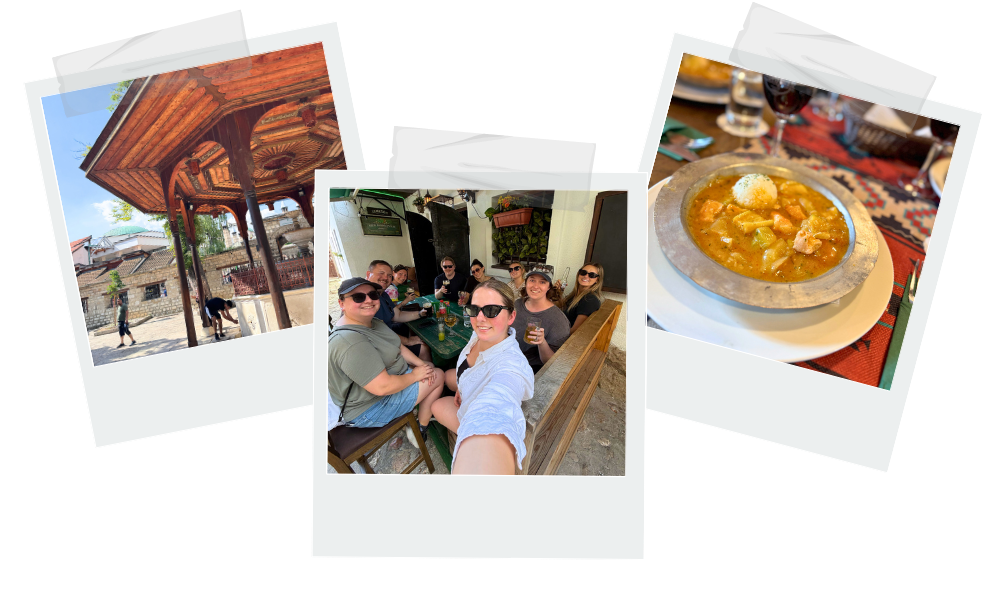
Having recently explored the Balkans with Contiki, I decided to take the leap right at the 35-year mark. While the classic "party trip" stereotype exists for a reason, the reality of doing a group tour at 35 is far more nuanced, and surprisingly empowering.
If you’re sitting on the fence about booking that final 18–35 tour before you officially age out, here are the honest pros and cons of doing a Contiki at age 35.
The Pros of Doing Contiki at 35
1. You possess an unshakeable confidence in who you are
In your early 20s, group travel often comes with the unspoken pressure to blend in, join every single group outing, and constantly seek validation. By 35, that peer pressure completely evaporates. You know who you are, what you like, and how you want to spend your energy.
If the group is heading to a loud club and you’d rather wander down a cobblestone alley for a slow dinner or a quiet traditional coffee, you do it without a second thought—and without feeling like you're missing out.

2. You have "adult money" for comfort upgrades
One of the biggest perks of travelling a little later in life is financial independence. While 18-year-olds on a budget might be opting for shared multi-bed dorms, travelling at 35 usually means you can afford the single-room supplement.
Having a quiet, private sanctuary to retreat to at the end of a long travel day (where you can actually get a full night’s sleep!) changes the entire experience.
3. You bring life experience and perspective to the table
Being slightly older means you’ve accumulated real-world experience, resilience, and perspective. When minor travel hiccups happen (a delayed bus, bad weather, or a missed connection), you’re far less likely to panic or get upset. Things happen, and you know that.
Younger travellers might look to you as a steady, reassuring presence, and you’ll find yourself having unexpectedly rich, cross-generational conversations with people you might never have met otherwise.

4. You know your boundaries (and your alcohol limit)
The classic Contiki drinking culture is optional, not mandatory. At 35, you’ve long mastered your limits. You can enjoy a local glass of wine or a regional beer at dinner, absorb the nightlife atmosphere, and know the exact moment to call an Uber back to the hotel.
You wake up feeling fresh, hydrated, and ready to explore historic city centres, while half the bus is nursing a severe hangover on a long day of driving.
5. You won't actually be the only "older" traveller
There is a common misconception that every Contiki bus is 90% college students. In reality, demographic spreads vary wildly by destination.
Longer, more culturally intensive itineraries, like touring through the Balkans, South America, or Southeast Asia, tend to attract a slightly older crowd of young professionals in their late 20s and mid-30s. You will almost certainly find a handful of like-minded travellers in your exact age demographic!

The Cons of Doing Contiki at 35
1. Physical recovery takes significantly longer
Let’s be honest: your body at 35 does not bounce back the way it did at 21. Early morning departures after a 12-hour day of sightseeing hit harder. Walking 20,000 steps over uneven cobblestones, hauling heavy luggage, and sleeping on a moving coach require more physical maintenance.
If you try to match the late-night stamina of the 20-year-olds on day one, you’ll spend day three feeling completely wiped out.
2. Potential feelings of generational isolation
While you’ll likely find a few kindred spirits, there will be moments when the age gap feels obvious.
Hearing conversations about college drama, TikTok trends, or life milestones that feel a decade behind you can occasionally make you feel a bit isolated. If the overall group dynamic leans heavily toward the younger end, finding deep common ground takes a bit more effort.
3. The risk of being seen as the parent
Knowing your boundaries is a strength, but constantly turning down late-night plans or leaving the bar early can sometimes paint you as the "mom" or "buzzkill" of the group.
It requires a thick skin to comfortably say, "You guys have fun, I’m calling it a night," without worrying about how it affects the group dynamic.
4. Fast-paced itineraries can feel overwhelming
Contiki itineraries are notoriously jam-packed to help travellers see as much as possible in a short window. At 20, the go-go-go rush is exhilarating.
At 35, when you’ve learned to appreciate slow travel, rich cultural immersion, and taking time to absorb a destination, the relentless pace of packing up every morning can feel more exhausting than invigorating, some days.
5. High turnover in social connections
Because group tours move quickly, social interactions can lean superficial. If you’re at a point in your life where you crave deep, meaningful cultural connections, the high-speed nature of large group tours can occasionally feel hollow compared to independent solo travel.
The Verdict: Is It Worth It?
Doing a Contiki trip at 35 isn't about trying to relive your early 20s: it’s about choosing convenience, built-in logistics, and safety while bringing your own maturity to the journey.
If you go into it willing to set your own pace, protect your rest, and embrace the social aspect on your own terms, aging out on a high note can be one of the most rewarding ways to travel.
